
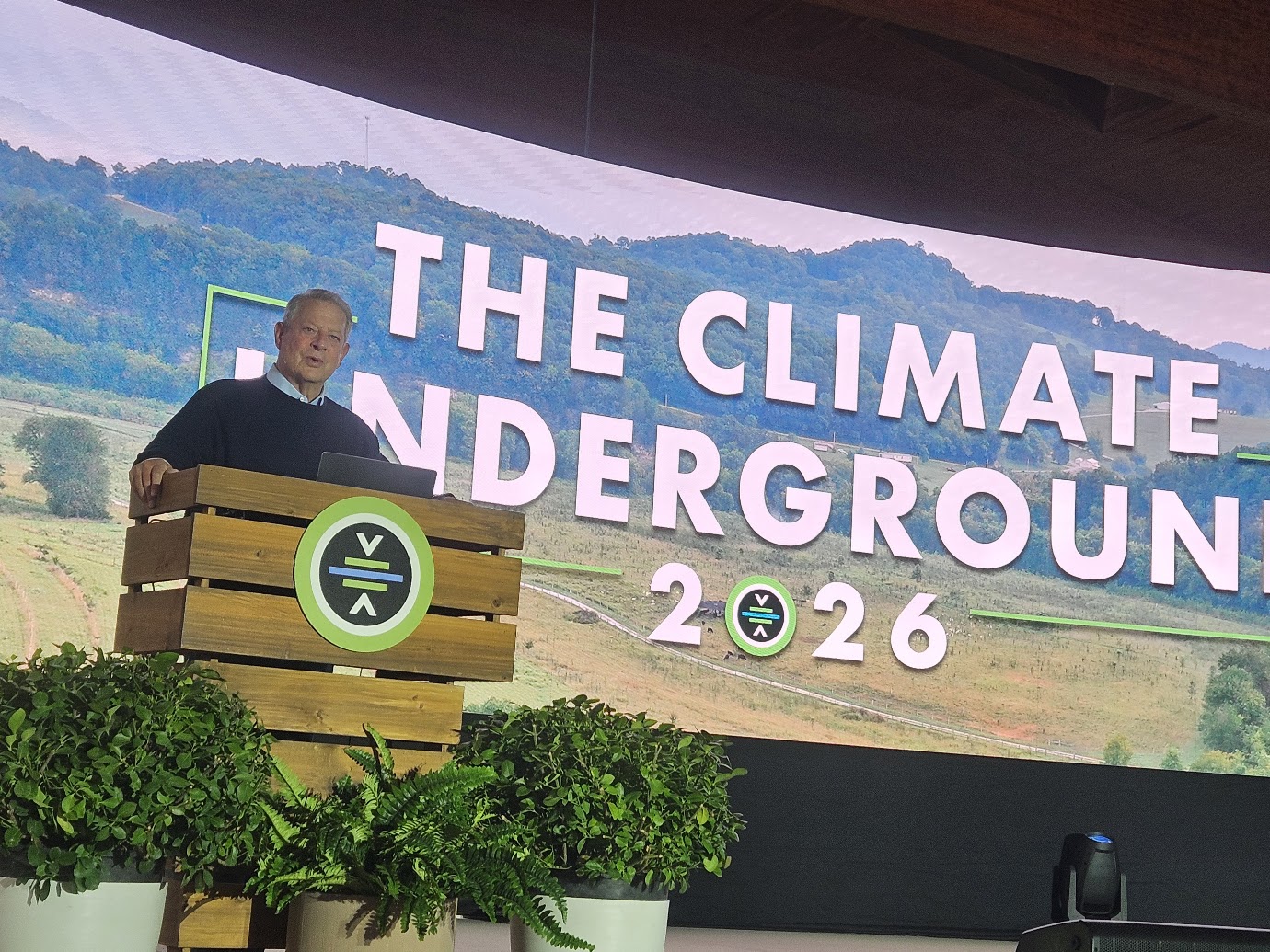
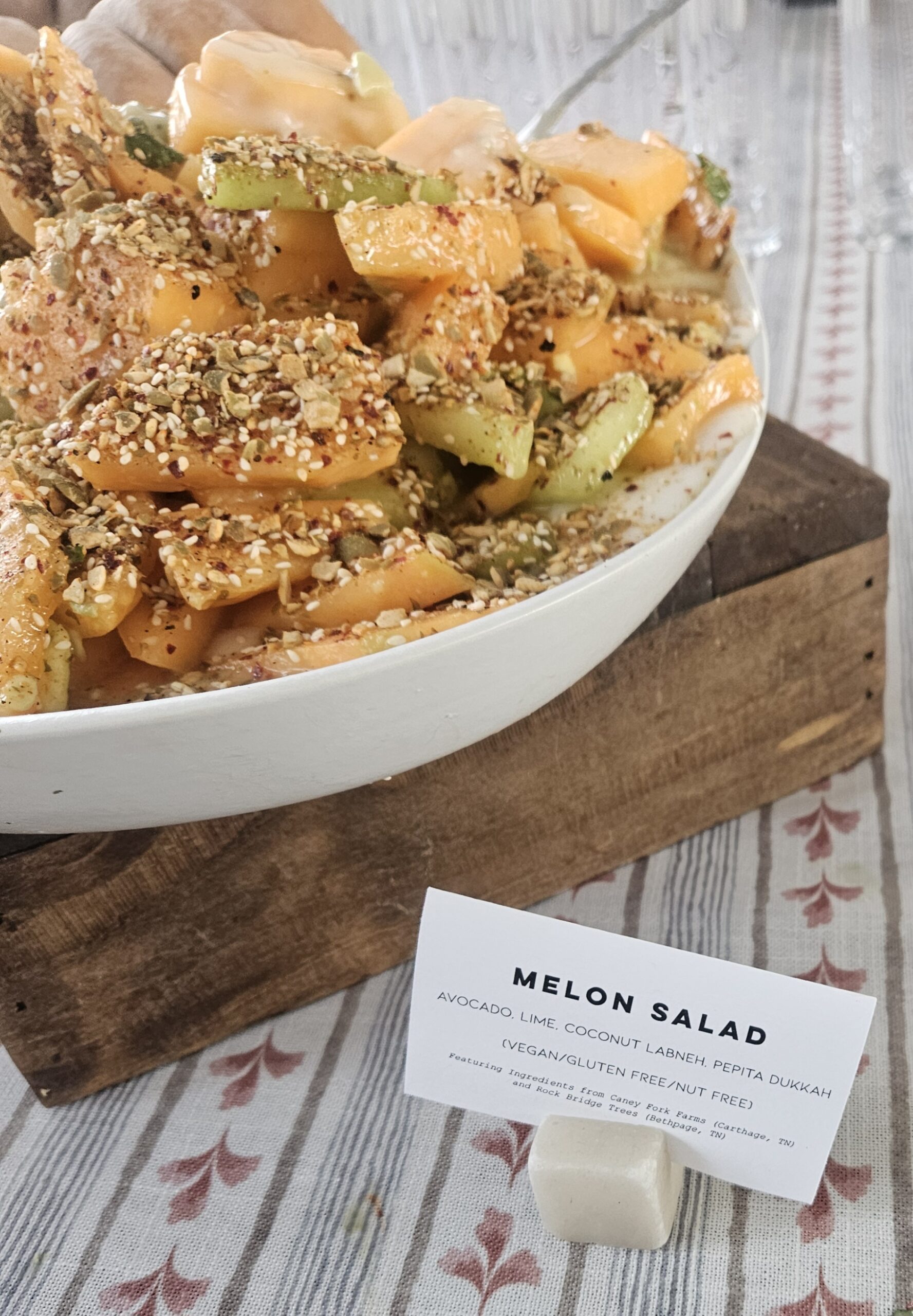
The Climate Underground event hosted by Al Gore and Alice Waters has been happening for the past eight years at the Gore family’s gore’geous farm in Carthage, TN. Underground is an entirely apt descriptor as this invitation-only event has no website nor much social media presence to speak of. Three hundred and fifty lucky individuals gather for two days to enjoy fabulous farm to fork food and fellowship while learning from an incredible cadre of innovators in the Regen Ag space. Invitees seemed to include a wide range of folks from farmers to foodies to climate activities to policy wonks. It is still a mystery as to how my name got on the list, but I sincerely hope it stays on for years to come!
Al Gore is one of the smartest climate communicators on the planet, and he has a wickedly wry sense of humor that had the audience laughing on many occasions. I suspect he may have been a preacher in a previous life as he laced some of his commentary with a biblical bent (“Watching the weather channel is like reading the book of Revelations”). He spoke of Climate-flation, flash droughts, re-sequestration of soils, extractive farming versus regenerative farming as well as the craziness of democracy ‘theater’ that we are living through in these trying times. I had the briefest of conversations with the world reknown chef Alice who lamented the word ‘vegan’ and even ‘vegetarian’ as they sounded a bit alien and non-inclusive of their fruit brethren. I suggested ‘plantarian’ instead. Who knows if/how that will reverberate in the culinary world.
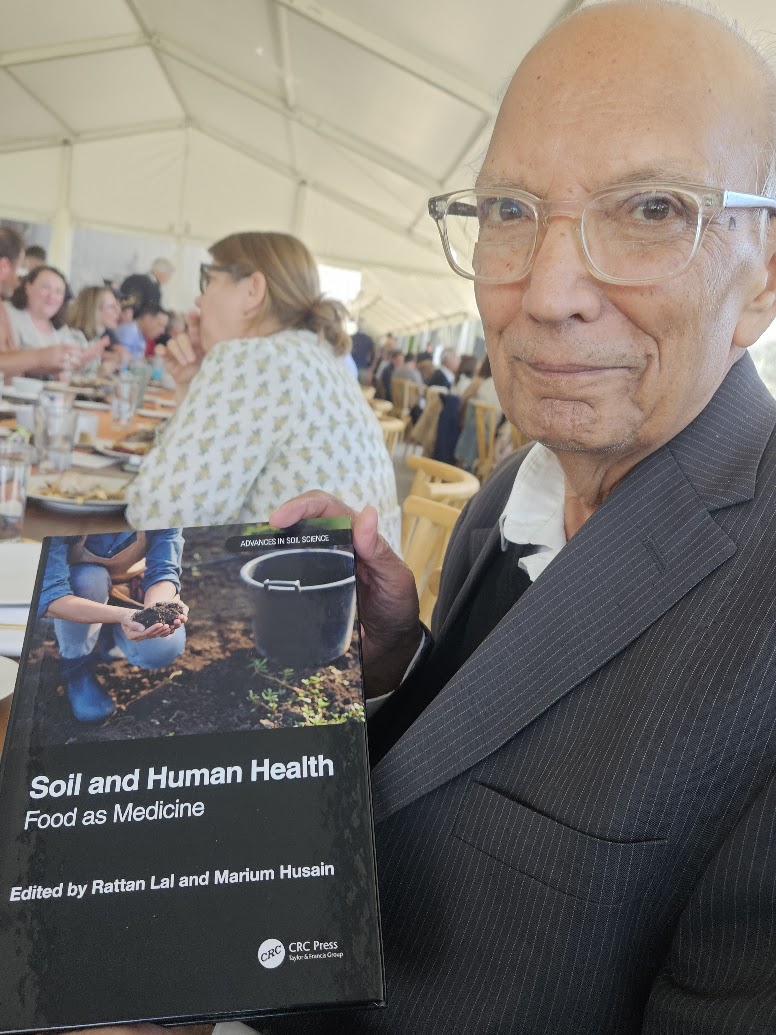
Quotes from the likes of Wallace Stevens (“After the final no, there comes a yes. And on that yes, the future world depends. No was the night. Yes, is this present sun.”) to Gus Speth (“I used to think the top environmental problems were biodiversity loss, ecosystem collapse, and climate change. But I was wrong. The top environmental problems are selfishness, greed, and apathy.”) made me feel like I was back in Grad School…in a good way! A highlight was listening to Dr. Rattan Lal, (see picture below) one of the foremost soil scientists who reminded us that the Iran war should make us question how much fertilizer is really needed. Since we now use 4x the amount of fertilizer than we did in the 1960s we should be able to reduce it by 75% or more he told us. I was lucky enough to sit next to him at lunch so of course I asked him about biochar. While he is not very public about his stance on it one way or the other, it was interesting to learn that he has a few students looking into feeding biochar to animals as a methane reduction strategy.
This event provided an absolute cornucopia of ideas and information. I wish slides had been shared or videos made, but it was not that kind of event. Below is just a smattering of some of the tips, tidbits and tidings shared last week:
- Ag research is overwhelmingly focused on things like pesticide resistance so that more pesticides can be sold. Climate resilience doesn’t seem to be on anyone’s priority list.
- Fruity farm is an LGBTQ agroforestry farm in TN – who knew!
- Pivot Bio is making Nitrogen naturally and offered farmers a lock in price for 3 years versus the more traditional spot market. They coat seeds so that they can manufacture their own N!
- The Soil Inventory Project is an NGO that is building soil data infrastructure to inform confident, science-based decisions that support sustainable farming. Given that 1 lb of soil is lost per bushel of corn (or so we were told), that is an urgent undertaking!
- Farmers should be paid like pharmacists if they grow food that heals.
- Farming needs to move from fragility to flexibility to respond and recover.
- SNAP elimination took away $10B from farmers and food-insecure.
- The US government is the largest buyer of farm products but half of the money goes to only 25 companies. Focus is on those that produce the most food at the cheapest cost.
- Crop insurance needs to be reimagined as it currently reinforces practices that make farms more vulnerable and often goes to largest and wealthiest farmers. It should be capped, cover more crops and reward farmers that reduce risks.
- More money is spent lobbying the USDA than the EPA, DOE and State Department. Farm Bureau lobbies on behalf of pesticide and seed companies.
- In the same way fertilizer damages soil, eating processed food damages the gut microbiome.
- What food interventions help reverse health issues? Medically tailored meals, medical groceries, and produce prescriptions.
- Periodic Table of Food Initiative is mapping food nutrition and quality across the globe.
- Eating local and in season almost seems like an act of civil disobedience. Such a delicious revolution may be what the world needs!
